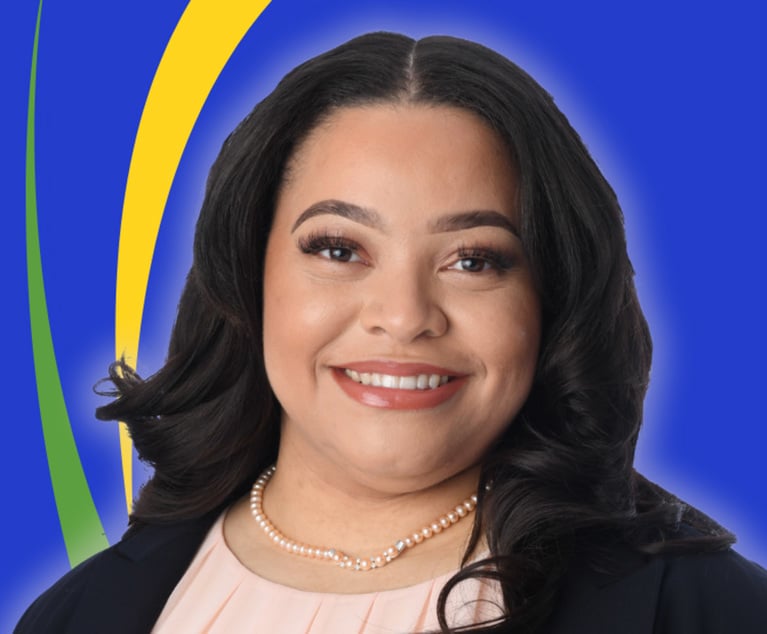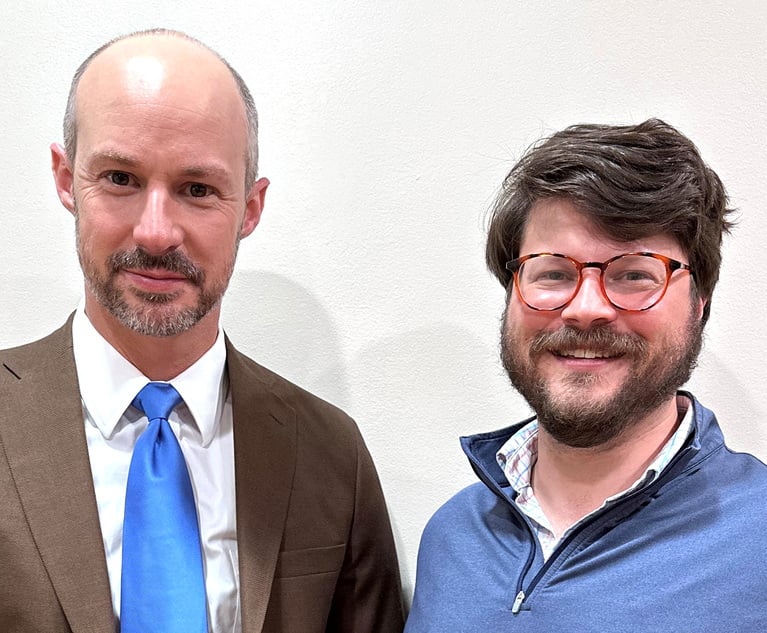
John K. Miles Jr. founded Miles Mediation & Arbitration Services in 2000. Upon completion of his undergraduate studies at Concordia College in Moorhead, Minn., John entered Emory University School of Law in 1985. He received his J.D. and married classmate Jamie Collins in 1988. Prior to establishing his mediation business, John was a partner in the Atlanta law firm of Fain, Major and Wiley. John and Jamie and their three children live in Madison, where Jamie, aka the South Main Muse, is a free-lance writer. John, a biblical scholar, pursues his avocation of teaching Bible studies.
John Disney/Daily Report
Discourage Litigation. Persuade your neighbors to compromise whenever you can. As a peacemaker the lawyer has superior opportunity...
Abraham Lincoln
This is a court of law, young man, not a court of justice.
Oliver Wendell Holmes
The differences between a mediation session and a jury trial are important to know. Four significant things happen at mediation that cannot occur at trial. In a face-to-face, informal setting, the parties have the opportunity to be heard; the parties have the opportunity to interact; the parties have 100 percent focus on the case; and the parties have control over what happens with the case.
When mediation begins, I state to the parties that mediation is a waste of time for people motivated exclusively by fear or money. Mediation might even be risky in the case of a party motivated by fear. A fear-motivated litigant often telegraphs fear to the other side, which serves to harden the opposition's settlement position.
I recall a mediation in which, during the opening session, the defense attorney said to the plaintiff, "We are going to work hard to settle your case today. I hope we will be successful."
The plaintiff replied, "Oh, we will be successful. There is no way I'm going to trial!" I suspect that the insurance claims adjuster left that case with money in his pocket. The fearful client's attorney should negotiate with the opposition outside of his client's presence and the mediation session.
A party motivated by money needs only to know that she made the best possible deal. This individual does not need a mediation session. She does not need to be heard. What she needs is data. This party wants to see verdict and settlement information. At Miles, we rely on CaseMetrix for this information. The CaseMetrix advantage is that settled cases dominate its database.
While verdicts are interesting, they are not the best measure of the cases' value. If a case goes to trial, one side probably didn't want to try the case. Verdicts tend, therefore, to favor one side more than the other. On the other hand, a mediation settlement represents what two parties agreed to in an arm's-length transaction.