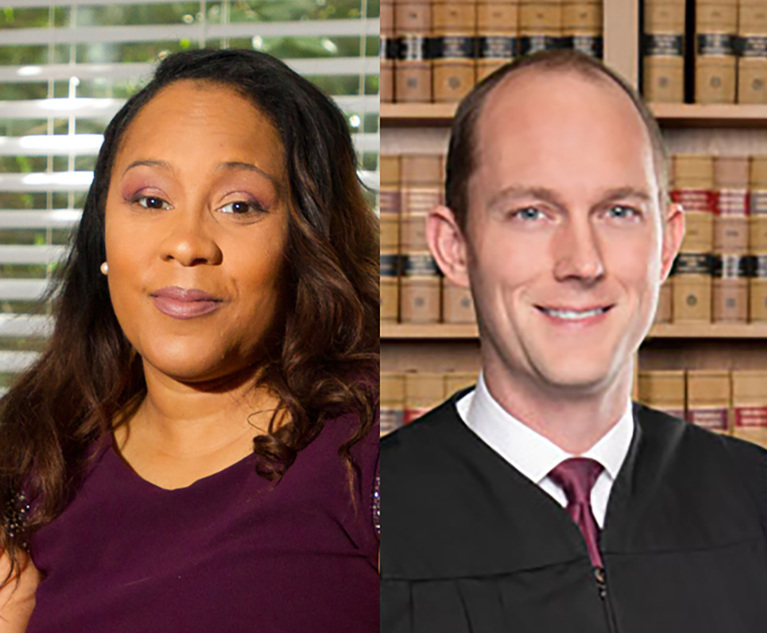
Steve Petrovich
File photo
Steve Petrovich has served as general counsel, senior vice president and secretary of Ardent Health Services since its formation in 2001, and was general counsel to Ardent's predecessor company, Behavioral Healthcare Corp. Based in Nashville, Ardent's subsidiaries own and operate health care facilities in the United States, and its network includes 10 acute care hospitals, a rehabilitation hospital, a multispecialty physician group, a 250,000-member health plan and retail pharmacies.
Prior to joining the company, Petrovich clerked for U.S. District Judge Harold L. Murphy of the Northern District of Georgia. He then worked in private practice, concentrating on litigation, employment and health care regulatory work before becoming litigation counsel for Charter Behavioral Health Systems.
Petrovich graduated from the University of Georgia School of Law, where he was editor of the Georgia Law Review, and he received his undergraduate degree from DePauw University.
He is married to Emilie Koers Petrovich, who also graduated from the University of Georgia School of Law in 1990, and they have three children. He is a big supporter of the Williamson County, Tenn., soccer community where he has been a team manager and pro bono legal counsel. He and his family support several community groups that help families dealing with cancer.
Describe your department and your role in it.
The legal, compliance and risk management departments report directly to me, although compliance also reports to the company's board of directors. The legal department has three in-house counsel and two paralegals. Our lawyers are located in Nashville (myself) and two in Albuquerque, N.M., who focus on our health plan operations.
I am responsible for all legal services for all aspects of our company's operations in all three states we operate in. I handle matters [such as] corporate governance, health care regulatory advice, employment issues and transactional matters.
What is the biggest legal challenge facing today's health care industry?
With the presidential election settled, our biggest challenge will be implementing and adjusting to the changes being instituted by the Patient Protection and Affordable Care Act.
You clerked for U.S. District Judge Harold Murphy. What did you learn?
First, that was the best job I have had and will probably ever have. He was and remains the consummate judge in all aspects of what people ask for and expect in a judge in the traditional and honored sense of that post.
What I learned is that being a lawyer is an honored profession and that it should be treated as such. A lawyer is a counselor and adviser and the advice and counsel given should not be colored or changed to fit the desired outcome.
What type of litigation do you face and how do you handle it?
WIth a small in-house shop, we outsource all litigation to lawyers who can and will go to trial. We have the typical caseload of malpractice cases, employment litigation and various commercial cases. We try to resolve our cases early through mediation and early evaluation, if possible. It we cannot resolve early, then we will try cases. I don't like to spend legal fees and also settlement fees. It does not make good business sense.